
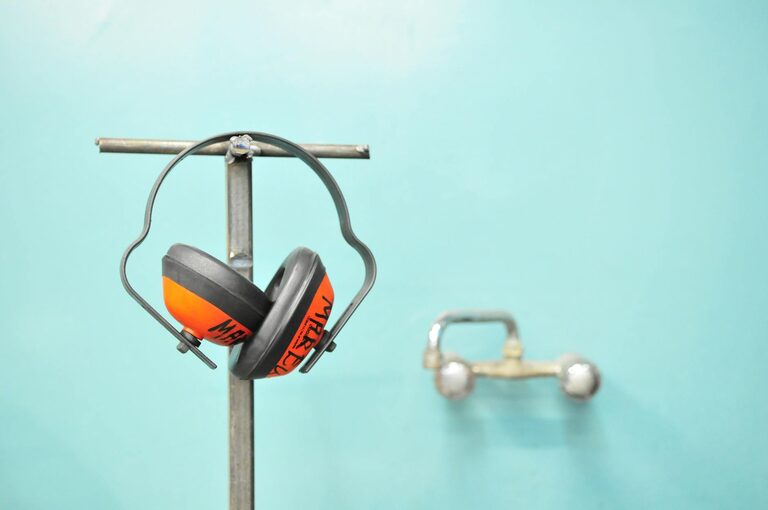
Creating a quieter home environment can greatly improve your comfort, focus, and overall well-being. Whether you live in a busy city, a noisy neighborhood, or simply want to minimize everyday sounds, reducing noise at home doesn’t have to be complicated or expensive. In this post, we’ll explore simple, practical ways you can reduce unwanted noise and enjoy a calmer space.
Why Reduce Noise at Home?
Noise pollution inside the home can affect your sleep, concentration, and stress levels. Reducing noise can:
– Improve sleep quality
– Enhance productivity and focus
– Promote relaxation and stress relief
– Protect your hearing over time
By addressing noise with straightforward techniques, you create a more peaceful and comfortable living environment for yourself and your family.
Common Sources of Noise in the Home
Before tackling noise reduction, it helps to identify typical noise sources:
– Traffic sounds from outdoors
– Appliances like washing machines or HVAC systems
– Conversations and activities in shared living spaces
– Echoes and sounds bouncing off hard surfaces
– Footsteps and impact noise from upstairs neighbors or rooms
Understanding these sources will guide you in choosing the right strategies.
Simple Ways to Reduce Noise at Home
1. Use Soft Furnishings to Absorb Sound
Hard surfaces reflect sound and increase noise levels. Adding soft materials helps absorb sound waves and reduce echo. Consider:
– Area rugs or carpets on floors
– Curtains made from heavy or sound-absorbing fabric
– Upholstered furniture such as sofas or padded chairs
– Cushions and throw pillows to soften the environment
These additions not only reduce noise but also add warmth and style to your rooms.
2. Seal Gaps and Cracks Around Doors and Windows
Noise from outside or other parts of the house often enters through small openings. To block sound:
– Install weatherstripping around door frames
– Use draft stoppers or door sweeps at the bottom of doors
– Seal gaps or cracks in window frames with caulk
– Consider adding window inserts or double-glazed windows for better insulation
Taking these steps helps prevent unwanted noise infiltration.
3. Rearrange Your Furniture Strategically
Furniture placement can impact how sound travels:
– Place bookshelves against walls that face noisy streets or neighbors; filled shelves absorb sound effectively.
– Position large sofas or armchairs near noise sources to create a buffer.
– Arrange furniture away from walls that may transmit noise into the room.
This simple rearrangement can create quieter zones within your home.
4. Add Soundproofing Materials
For a more effective noise barrier, consider installing:
– Acoustic panels or foam tiles on walls and ceilings
– Soundproof curtains or blinds specifically designed to block noise
– Door panels or seal kits that enhance door sound resistance
Many options are available for DIY installation and come in various styles to match your decor.
5. Use White Noise Machines or Fans
When reducing noise isn’t fully possible, masking unwanted sounds can help. White noise machines, fans, or humidifiers produce consistent background sound that covers distractions and helps with concentration or sleep.
6. Manage Noise From Appliances and Electronics
Appliances and electronics can contribute to background noise:
– Place noisy machines like washing machines on vibration-absorbing pads
– Keep electronics well-maintained to reduce humming or buzzing sounds
– Use headphones or lower volume levels when using entertainment devices
Regular checks and small adjustments can make a big difference.
7. Talk to Neighbors and Set Boundaries
If you share walls or living spaces, like in apartments, gentle communication can help:
– Discuss noise concerns politely and suggest quiet hours
– Use rugs and padding on floors to minimize impact noise
– Agree on times for louder activities when possible
Good neighborly communication helps maintain a peaceful environment.
Bonus Tips
– Planting dense shrubs or trees outside windows can reduce outdoor noise.
– Install heavier interior doors to block sound between rooms.
– Use fabric wall hangings or tapestries which help muffle sound.
Final Thoughts
Reducing noise at home doesn’t require major renovations or expensive equipment. By combining soft materials, sealing gaps, smart furniture placement, and soundproofing products, you can create a significantly quieter place to live. Start with a few simple steps, and enjoy the calm and comfort that comes with a peaceful home.
Remember, a quieter home contributes to better rest, focus, and overall happiness. Try these easy noise reduction ideas today and listen to the difference!