
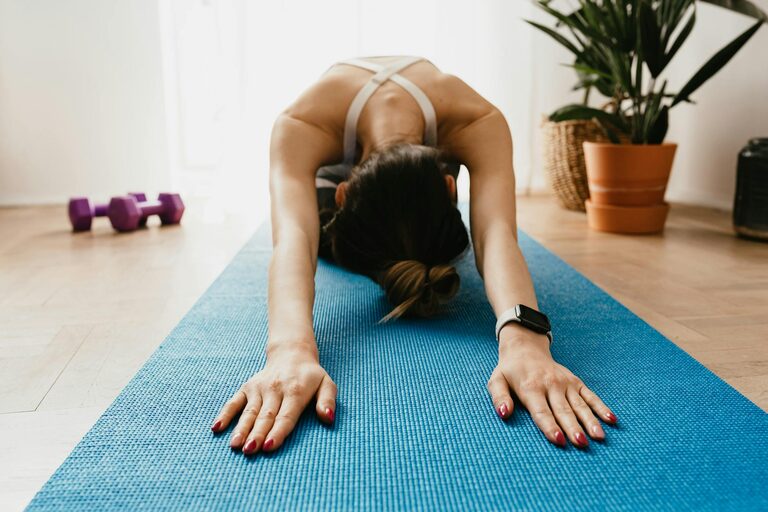
Stretching is a simple yet powerful way to enhance your overall health and well-being. Whether you want to improve flexibility, relieve muscle tension, or simply feel more relaxed, stretching at home can be a perfect addition to your daily routine. This beginner’s guide will walk you through the basics of stretching, safe techniques, and easy routines you can do anywhere.
Why Stretch at Home?
Stretching offers numerous benefits, such as:
– Increasing muscle flexibility and joint range of motion
– Reducing risk of injury during physical activities
– Enhancing circulation and reducing muscle soreness
– Relieving stress and promoting relaxation
– Improving posture and balance
Doing this at home means no expensive equipment or gym memberships are needed—just a little space, some comfortable clothing, and your own body.
Understanding Different Types of Stretching
Before jumping in, it’s helpful to know the main types of stretches:
Static Stretching
This involves holding a stretch position for 15-60 seconds without movement. It helps lengthen muscles and improve flexibility. Static stretching is best performed after your body is warmed up or after workouts.
Dynamic Stretching
Dynamic stretches involve controlled, gentle movements through the full range of motion. Examples include leg swings or arm circles. This type is excellent for warming up muscles before exercise.
Ballistic Stretching
This uses bouncing or jerky movements to push muscles beyond normal range. Ballistic stretching is generally not recommended for beginners due to injury risks.
For beginners, starting with static and gentle dynamic stretches is safest and most effective.
Preparing for Your Stretching Routine
Safety first! Follow these tips before you begin:
– Warm Up: Stretching cold muscles can cause injury. Spend 5 minutes doing light cardio (walking in place, marching, or jogging) to get your blood flowing.
– Wear Comfortable Clothing: Choose flexible clothes that don’t restrict movement.
– Find a Quiet Space: Dedicate enough room and minimal distractions to focus on your stretches.
– Use Props if Needed: A yoga mat, towel, or a chair can help support your stretches.
Beginner-Friendly Stretching Routine
Here’s a simple routine targeting major muscle groups. Hold each stretch for 20-30 seconds and repeat 2-3 times.
1. Neck Stretch
– Sit or stand tall.
– Slowly tilt your head to the right, bringing your ear towards your shoulder.
– Hold and breathe deeply.
– Repeat on the left side.
2. Shoulder Rolls
– Stand or sit with arms relaxed.
– Roll shoulders forward slowly 10 times.
– Then roll backward 10 times.
3. Arm Across Chest Stretch
– Bring your right arm across your chest.
– Use your left hand to gently pull your right arm closer.
– Hold and switch arms.
4. Chest Opener
– Clasp your hands behind your back.
– Straighten arms and lift your hands slightly while opening your chest.
– Keep your spine straight and breathe deeply.
5. Seated Hamstring Stretch
– Sit on the floor with one leg extended.
– Reach toward your toes while keeping your back straight.
– Switch legs and repeat.
6. Quadriceps Stretch
– Stand near a wall or chair for balance.
– Grab your right ankle with your right hand and pull it towards your buttocks.
– Keep knees close together and pelvis tucked.
– Switch legs.
7. Calf Stretch
– Stand facing a wall.
– Step one foot back, keeping it straight and press the heel into the floor.
– Bend your front knee slightly and lean forward.
– Hold and alternate legs.
8. Lower Back Twist
– Lie on your back with arms out to the sides.
– Bend knees and drop them slowly to one side while turning your head to the opposite side.
– Hold and switch sides.
Tips for Effective Stretching
– Breathe Slowly and Deeply: Inhale through your nose and exhale through your mouth to help muscles relax.
– Avoid Pain: Stretch to the point of gentle tension, not pain.
– Stay Consistent: Stretching 3-5 times a week yields best results.
– Listen to Your Body: If a stretch feels uncomfortable, ease up or try a modified version.
– Stay Hydrated: Drink water before and after stretching to keep muscles healthy.
Incorporating Stretching into Your Day
Try fitting short stretching sessions into daily activities:
– Stretch after waking up to loosen stiff muscles.
– Take stretch breaks during work or study to reduce tension.
– Add stretches as a cool-down routine after exercise.
– Use stretching as a calming ritual before bedtime.
When to Seek Professional Advice
While stretching is generally safe, consult a healthcare provider if you:
– Have chronic pain or injuries.
– Experience sharp pain during stretching.
– Have specific medical conditions affecting muscles or joints.
A physical therapist or fitness professional can help tailor a safe, effective routine.
Final Thoughts
Starting a stretching practice at home is easy and rewarding. By incorporating simple stretches targeted at your body’s major muscles, you can improve flexibility, reduce discomfort, and promote relaxation without any special equipment. Remember to warm up first, move gently, and listen to your body. With regular stretching, you’ll likely notice improvements in your movement and overall well-being.
Why not start today? Roll out a mat, take a few deep breaths, and enjoy the benefits of stretching—right in the comfort of your home!